Before You Calculate a Product Carbon Footprint, Answer These 7 Questions First

16 JULY 2026
•
10 MIN READ
Introduction
A Product Carbon Footprint calculation can look simple on paper: collect data, apply emission factors, and generate a result. The reality is that many important decisions happen before the calculation ever begins.
The problem usually starts with a Bill of Materials. Hundreds of line items. Material descriptions that aren't quite specific enough. Missing supplier information. Multiple spreadsheet versions floating around the business. The first challenge in many Product Carbon Footprint projects isn't only calculating emissions—it's getting the right data ready for calculation.
When a customer asks for product-level emissions data, the instinct is often to jump straight into the numbers. Open the spreadsheet. Start matching materials. Build the calculation and deal with gaps as they appear.
That's where PCF projects can start requiring more cleanup, clarification, and iteration than expected.
A reliable Product Carbon Footprint starts with the decisions made before the calculation begins. Where will the emissions data come from? How will materials be matched to emission factors? What happens when supplier-specific data isn't available? Which reporting requirements need to be considered?
These are questions worth addressing early because they influence how smoothly the project progresses.
And they're becoming harder to ignore. Product carbon footprint data is increasingly showing up in customer requests, procurement processes, supplier evaluations, and sustainability reporting initiatives. Many organizations that previously calculated emissions occasionally are now facing more frequent requests for product-level carbon data, often with tighter timelines and greater detail requirements. Product carbon footprints are increasingly being used in procurement and supplier reporting processes across industries.
The seven questions below cover some of the areas where PCF projects often require the most attention: preparing data, handling gaps, choosing the right methodology, and building a report that others can understand and trust. Addressing them before you begin can help reduce rework and make the calculation process smoother.
1. Is Your Bill of Materials Actually Ready to Calculate From?
A PCF calculation often starts with your BOM, but BOMs are usually created for procurement, manufacturing, or inventory purposes rather than carbon analysis. That means the information needed for emissions calculations may not always be available in the format required.
Before calculating anything, it helps to look closely at your BOM. Is it one consolidated file, or spread across multiple spreadsheet versions? Are material descriptions specific enough to support reliable matching, or are they broad labels that require additional clarification? Are quantities and units of measure consistent across line items?
These details matter. Unclear or inconsistent BOM data can add extra time to the PCF process by requiring teams to clean, verify, or organize information before calculation begins. Often, the challenge is not one major issue, but many small inconsistencies across hundreds of rows.
How Carbalyze Helps
Caly accepts Bill of Materials uploads in Excel or CSV format and automatically processes the material data needed for carbon footprint analysis. The platform is designed to reduce manual data preparation by ingesting BOM information directly into the workflow.
2. How Will You Match Hundreds of Materials to the Right Emission Factors?
Every material line in your BOM needs to be matched to an emission factor—a value representing the greenhouse gas impact associated with that material. Done manually, this can mean searching through reference sources and matching hundreds of individual data points one by one.
This can become one of the most time-consuming parts of PCF work and can introduce inconsistency when matching is done manually. When material descriptions are unclear, different people may make different matching decisions, which can affect the resulting footprint calculation.
It's worth deciding your matching approach before you start, rather than a few hundred rows in. Will you build a reference table yourself? Follow a shared team standard? Or use a system designed to automate the matching process?
How Carbalyze Helps
Caly maps materials to emission factors using a database of over 10,000 industry-standard values, reducing the need for manual lookup across individual BOM line items. The platform automatically cross-references materials and suppliers against emissions data, helping teams handle complex BOMs without manually searching and matching every component. This turns a time-consuming data preparation step into a streamlined workflow from BOM upload to carbon footprint calculation.
3. What's Your Plan When Supplier-Specific Data Isn't Available?
Here's a realistic starting point: many manufacturers may not have complete, verified emissions data from every supplier in their chain. Some suppliers can provide detailed, product-specific figures, while others may not yet have the data available in the format or timeframe required.
If a PCF project depends entirely on receiving primary data from every supplier, delays can occur when some supplier information is unavailable or takes longer to collect. It helps to have a fallback approach built into the plan from the start rather than figuring one out under time pressure.
A practical approach is tiered: use supplier-specific data where it's available, and fall back to recognized global emission factor sources where it isn't.
How Carbalyze Helps
Caly uses supplier-specific data where available and falls back to global emission factor databases where supplier data isn't available, helping teams continue calculations even when some supplier information is missing. When primary supplier data is incomplete, Caly helps address data gaps using available reference data so teams can continue their calculation workflow. This gives teams a clearer view of product emissions across their supply chain while maintaining consistency in how missing data is handled.
4. How Many Separate Tools Will This Actually Require?
It's worth thinking through this before you start, since the answer shapes how the entire PCF process will be managed. PCF workflows can involve multiple tools and manual steps: one spreadsheet for the BOM, another for emission factor lookup, additional calculations for emissions estimates, and separate steps for assembling the final report. Each handoff between tools creates additional opportunities for data inconsistencies, version differences, or manual errors.
The more systems data moves through, the more important it becomes to maintain consistency and traceability throughout the calculation process.
How Carbalyze Helps
Caly brings BOM processing, material mapping, Scope 1, 2, and 3 emissions calculations, hotspot identification, and reporting into a single workflow. By connecting these steps in one platform, Carbalyze helps teams move from product data to carbon insights without managing separate calculation stages manually. Caly processes BOM data uploaded in Excel or CSV format, maps materials to relevant emission factors using industry-standard databases, and calculates product emissions across different scopes. The workflow also highlights emission hotspots at the supplier level, helping teams understand which components and suppliers contribute most to a product's footprint. Based on the footprint analysis, Caly provides reduction recommendations and helps identify potential improvement opportunities. Once the analysis is complete, Carbalyze generates structured carbon reports aligned with frameworks and reporting requirements such as ISO 14067, the GHG Protocol, and CSRD.
5. Once You Have a Number, Will You Know What's Driving It?
A single CO2e total doesn't tell you much on its own. Say a product's footprint comes out to 42 kg CO2e. Is that concentrated in one high-emission component, or spread evenly across dozens of lower-impact materials? Those are two different situations requiring different decisions, and a total figure alone won't show which one you're dealing with.
If a PCF process only produces an aggregate figure, it may provide limited insight into where emissions are concentrated or where reduction efforts should focus. It's worth deciding upfront whether you need visibility into emission contributors—especially if the goal is to improve product sustainability, evaluate suppliers, or explore alternative materials.
Think about who receives this figure once it's calculated. If it's only going into a compliance filing, a total might be enough. But if procurement will use it to evaluate suppliers, or product teams will use it to assess material alternatives, a detailed breakdown provides much more value.
How Carbalyze Helps
Caly identifies high-emission suppliers and contributors to a product's footprint and provides reduction recommendations based on the footprint analysis. This helps teams understand where emissions are concentrated and identify potential opportunities to reduce their product footprint instead of looking only at the overall CO2e total. By calculating emissions for every material and analyzing which suppliers contribute most to the footprint, Caly helps teams prioritize the areas where sustainability improvements can have the greatest impact. This turns a carbon calculation into actionable information that supports better material choices, supplier decisions, and product improvement strategies.
6. Which Reporting Standard Does This Actually Need to Satisfy?
GHG Protocol, ISO 14067, and CSRD aren't interchangeable names for the same thing. Each has different requirements and expectations around emissions measurement, reporting, and documentation. Choosing the right framework early helps avoid unnecessary adjustments later if customers, auditors, or regulators require specific reporting approaches.
This is a decision worth making at the start of a project, not the end. It helps to know who will be using this footprint and what requirements it needs to support before deciding how to structure the calculation.
How Carbalyze Helps
Carbalyze supports PCF calculations and reporting aligned with frameworks such as GHG Protocol, ISO 14067, and CSRD requirements. Carbalyze generates reports aligned with these frameworks, helping teams create consistent carbon footprint reports with information that helps teams support customer, compliance, and sustainability reporting needs.
7. Will This Report Hold Up With an Auditor, Customer, or Regulator?
A PCF figure that only lives in an internal spreadsheet isn't really the finish line. At some point, someone outside your organization—a customer's procurement team, a regulator, or an auditor—may ask how the footprint was calculated and what data supports the result. If supporting documentation is created only after the calculation is complete, maintaining consistency and traceability can become more difficult.
Building an audit trail alongside the calculation is more manageable than reconstructing one afterward. It helps to think early on about who will be reviewing the final report and what information they may expect to see: methodology, data sources, standard alignment, and a clear path from raw material inputs to the final footprint result.
There's a real difference between calculating a CO₂e value and producing a report that others can confidently review and use. A trusted PCF requires more than the final number—it requires transparency around how that number was created.
How Carbalyze Helps
Caly generates audit-ready reports aligned with ISO 14067, the GHG Protocol, and CSRD reporting requirements as part of the calculation workflow. The reports bring together footprint results, emissions breakdowns, and material-level hotspot details to help teams share consistent carbon data with customers, stakeholders, and reporting teams.
What Carbalyze Actually Does
A Product Carbon Footprint requires more than calculating a final CO₂e number. It requires connecting product data, materials, emission factors, supplier information, calculations, and reporting into one consistent workflow.
Carbalyze brings these steps together through Caly. Teams can upload their BOM in Excel or CSV format, map materials to emission factors using industry-standard databases, calculate Scope 1, 2, and 3 emissions, identify emission hotspots, and generate reports aligned with frameworks such as ISO 14067, GHG Protocol, and CSRD requirements.
Instead of managing separate steps across spreadsheets and disconnected processes, Carbalyze helps manufacturers move from raw product data to structured carbon insights through one connected workflow.
Answer the Questions Before You Open the Spreadsheet
None of these seven questions are especially complicated on their own. What makes them important is when they are answered. Addressing them before calculation begins can help reduce rework and delays later. Addressing them after a calculation is complete—when data gaps appear, reporting requirements change, or documentation needs to be revisited—can create additional work at a stage when timelines are already under pressure.
Taking an honest pass through your BOM, your material-matching approach, your plan for missing supplier data, and your target reporting requirements before calculating a single figure helps create a stronger foundation for everything that follows. Successful PCF projects aren't necessarily built on the most sophisticated spreadsheets. They are built on clear decisions about data, methodology, and reporting before the calculation starts.
Ready to Turn Your BOM Into a Product Carbon Footprint?
Upload your BOM and turn product data into an audit-ready PCF report.
Book a DemoMore Insights
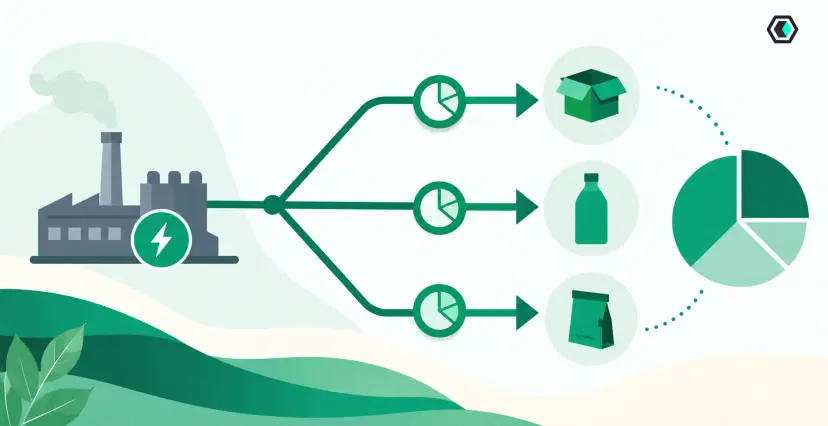
PCF Allocation Methods: How to Split Factory Energy Across Products
This blog explains how manufacturers can allocate shared factory energy across products to calculate reliable Product Carbon Footprints (PCFs). It...
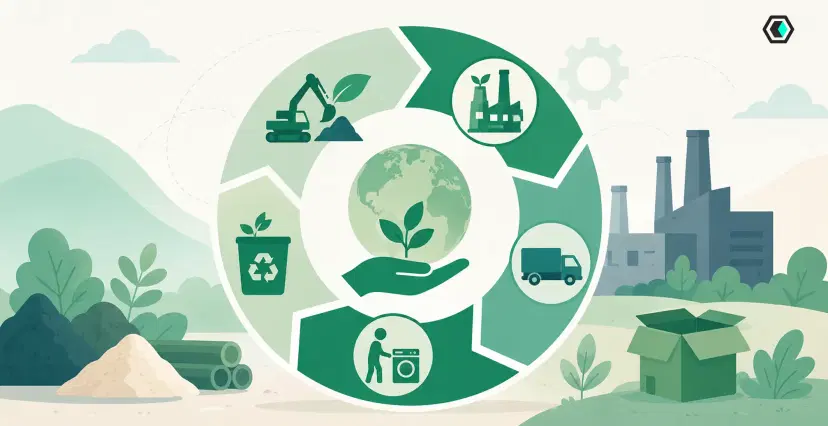
The Product Lifecycle Stages That Drive the Most Carbon Emissions
This blog explains how each product lifecycle stage contributes to a product's carbon footprint, from material acquisition and production to...
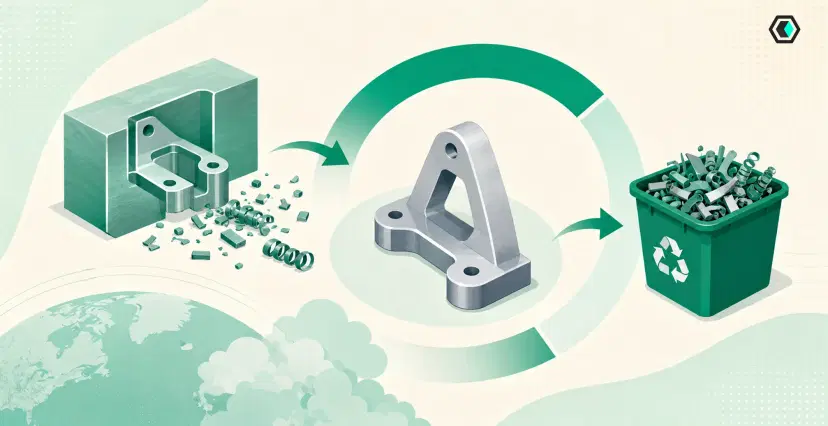
Net Weight vs Gross Weight in a BOM: Why Scrap Changes Your PCF
Net weight and gross weight represent different aspects of material use in a BOM, and that difference matters when calculating...
Fueled by intelligent systems to elevate your reading experience.