
Carbalyze blog
Carbon accounting insights, by product and topic
Guides, explainers and regulation updates for product carbon footprints, asset reuse, packaging EPR and Scope 3. Pick a topic to start.

How to Calculate Carbon Savings From Reusing Office Furniture
This blog explains how to calculate the carbon savings from reusing office furniture instead of buying new. It covers the core formula, a five-step process, and how to choose emission factors and…

Explore by product
Jump straight to the articles for the product you use.
Product Carbon Footprint
50 articlesHow to calculate, verify and improve product carbon footprints (PCF) from your bill of materials: boundaries, emission factors, ISO 14067 and audit-ready reports.
Carboventory
7 articlesMeasuring the embodied carbon saved by reusing furniture, IT and fixtures: EPDs, baselines and the circular economy.
Packaging EPR
2 articlesPackaging emissions and extended producer responsibility (EPR): what laws like California SB 54 mean for manufacturers and brands.
Latest articles
114 articles
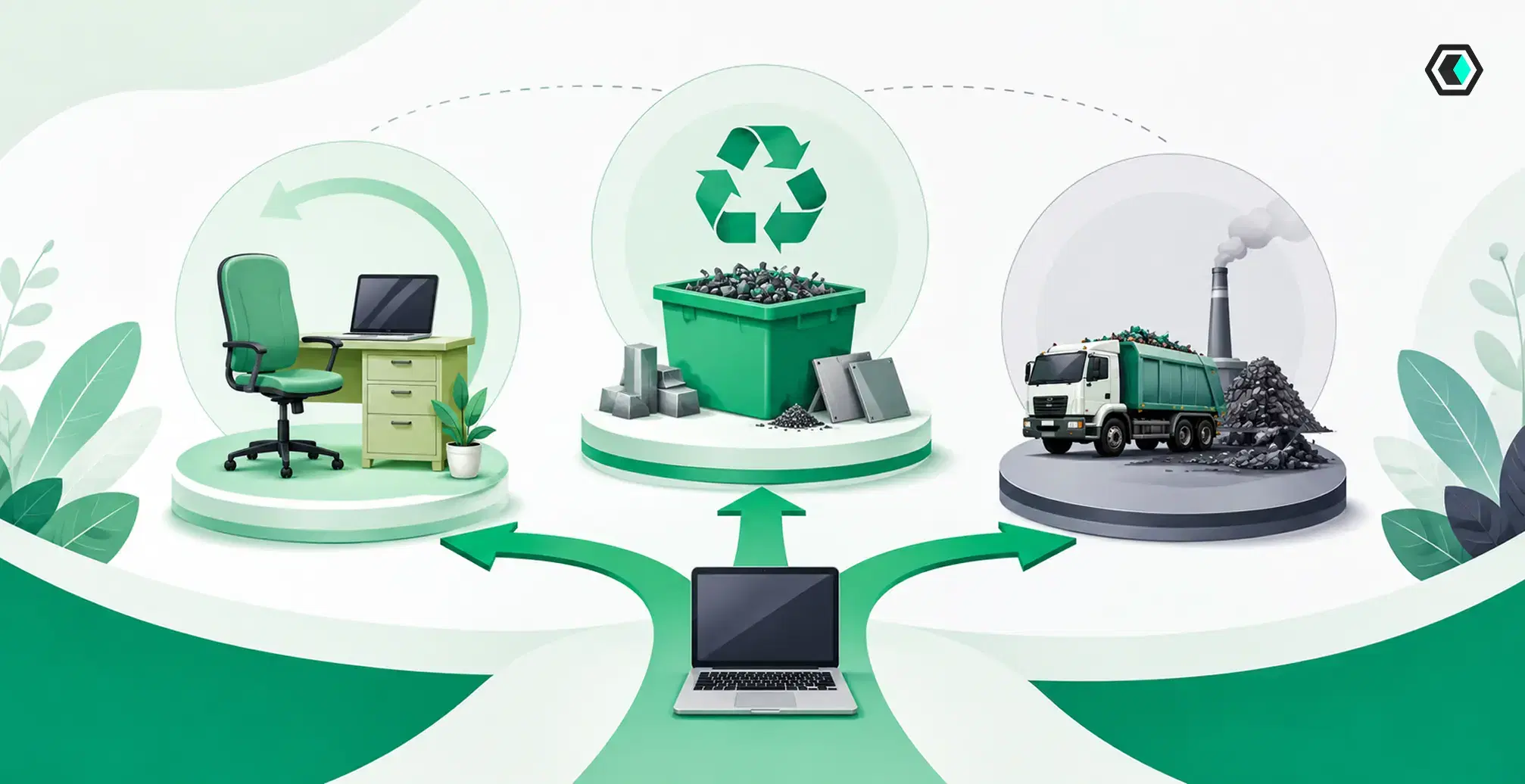
Asset Reuse vs Recycling vs Disposal: What the Carbon Numbers Actually Show
This blog compares the carbon impact of asset reuse, recycling, and disposal, explaining why reuse typically offers the greatest emissions savings by preserving embodied carbon. It explores how asset…
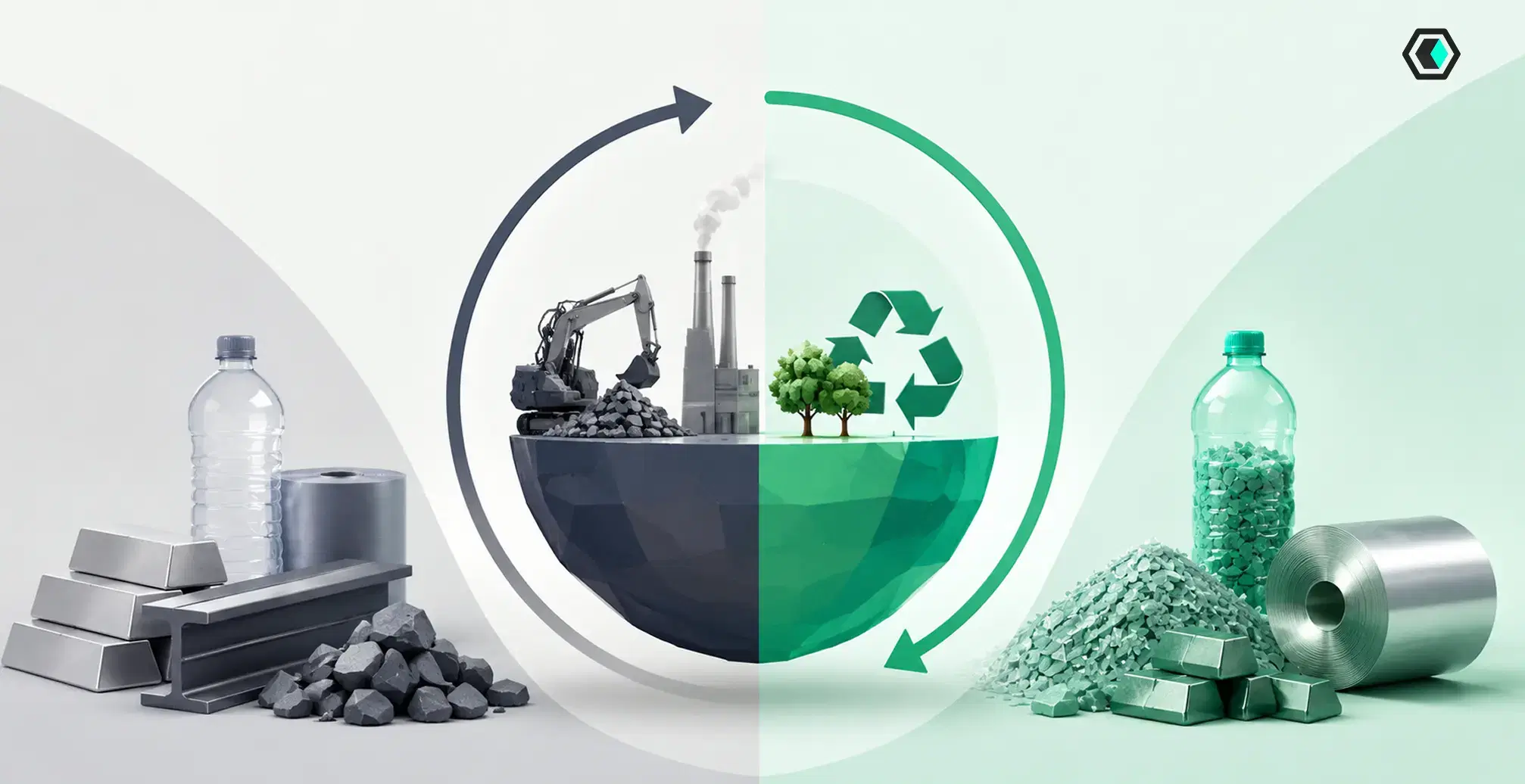
Recycled vs. Virgin Materials: How They Impact Product Carbon Footprints
This blog explains how choosing recycled or virgin materials changes a product carbon footprint (PCF), using published data for aluminium, steel and plastics. It covers why reported numbers differ so…
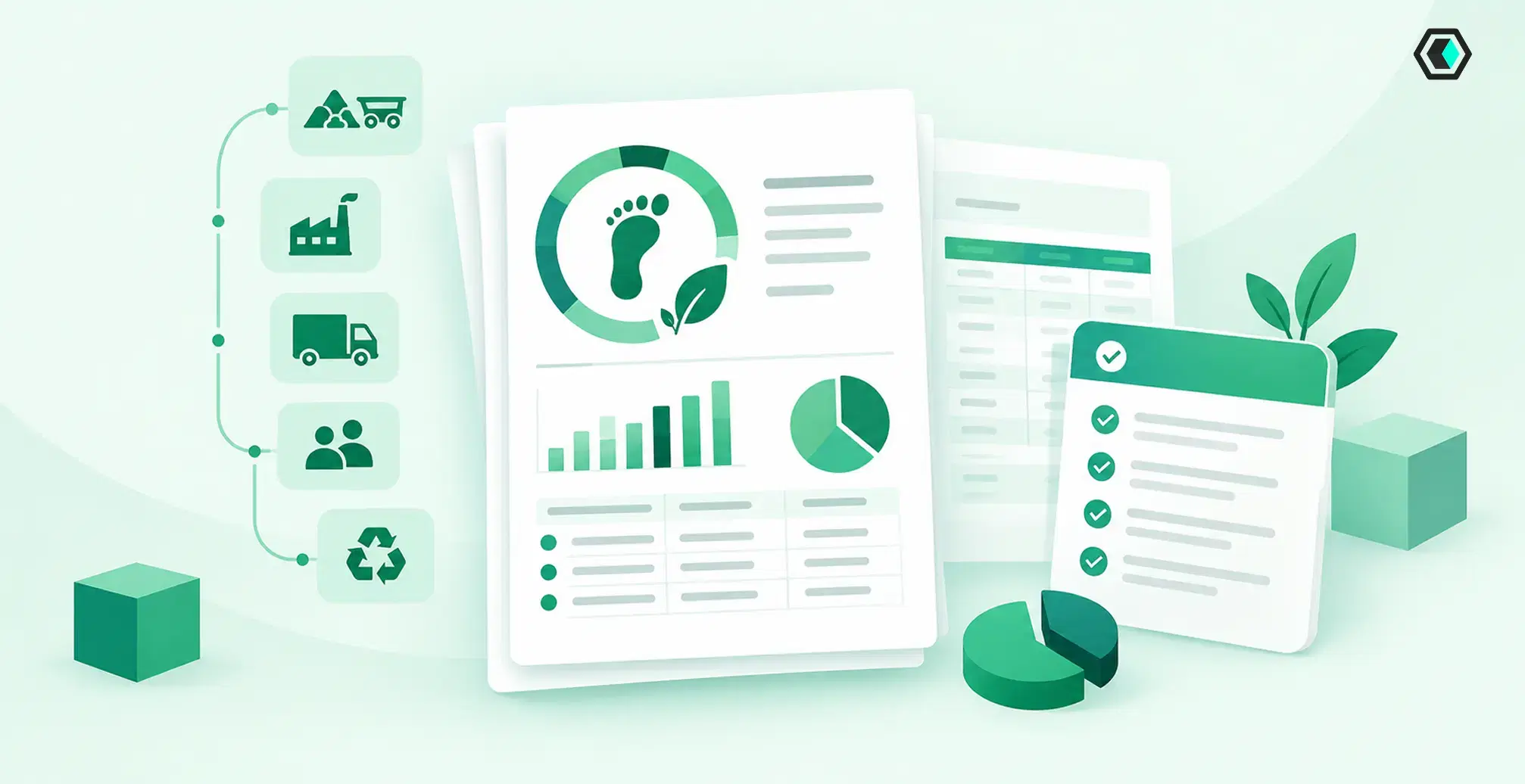
Top 10 Sections of a Product Carbon Footprint Report With Checklist
Learn how to structure a Product Carbon Footprint (PCF) report with 10 essential sections covering the executive summary, study goal, product details, system boundaries, data quality, calculation…
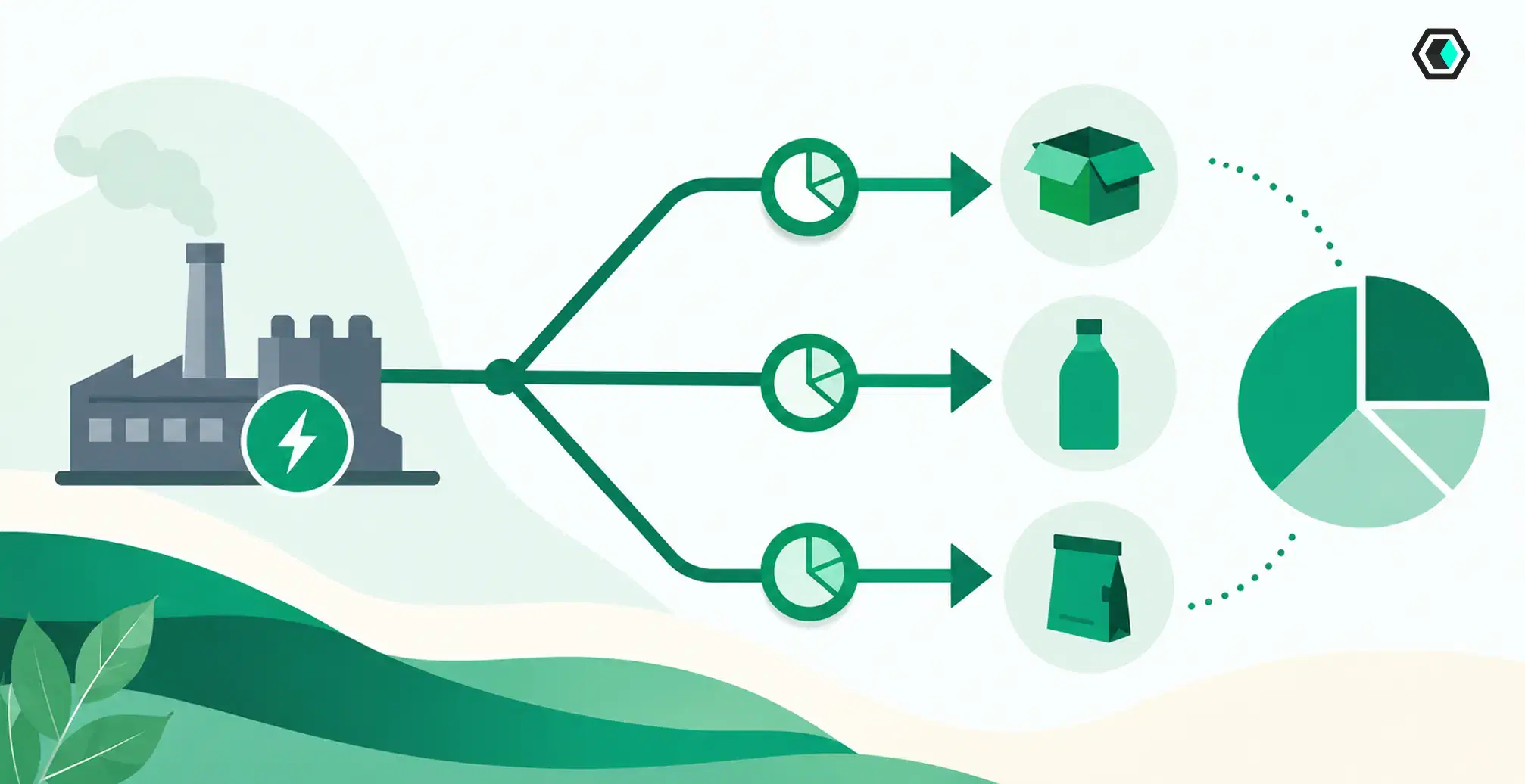
PCF Allocation Methods: How to Split Factory Energy Across Products
This blog explains how manufacturers can allocate shared factory energy across products to calculate reliable Product Carbon Footprints (PCFs). It covers the ISO 14044 allocation hierarchy and methods…
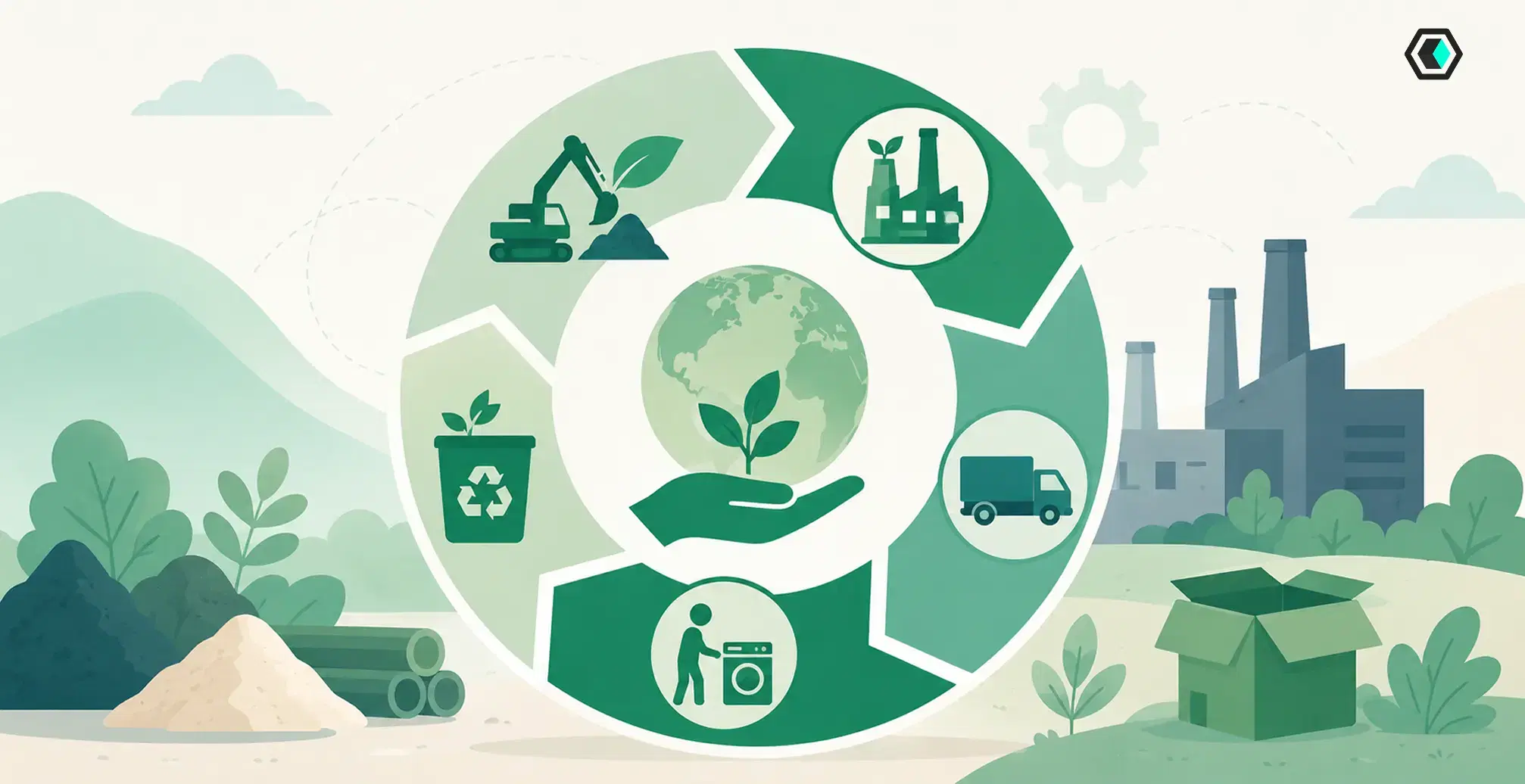
The Product Lifecycle Stages That Drive the Most Carbon Emissions
This blog explains how each product lifecycle stage contributes to a product's carbon footprint, from material acquisition and production to distribution, use, and end of life. It explores the factors…
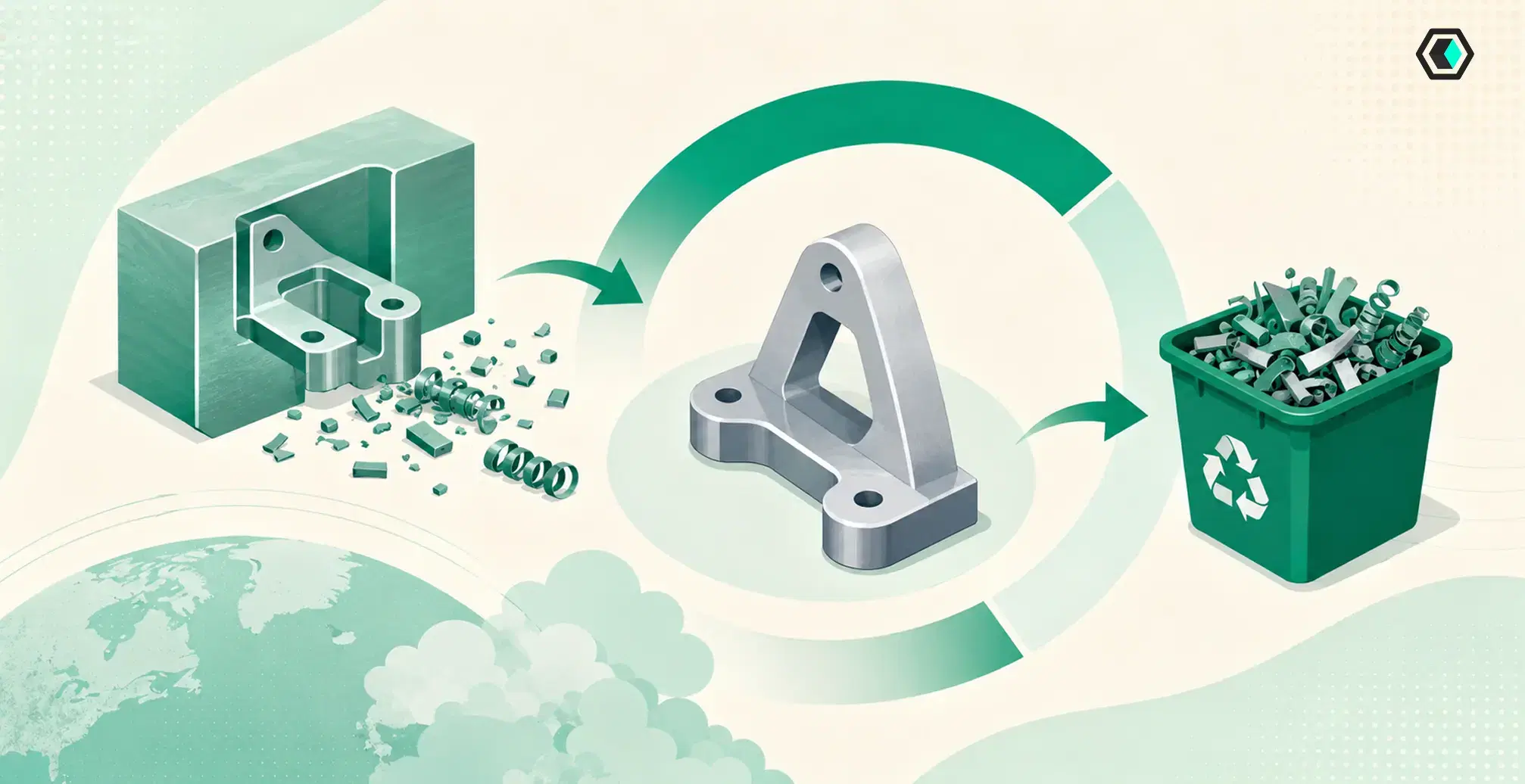
Net Weight vs Gross Weight in a BOM: Why Scrap Changes Your PCF
Net weight and gross weight represent different aspects of material use in a BOM, and that difference matters when calculating a product carbon footprint. This blog explains how scrap, yield, and…

5 Common Factors That Affect Product Carbon Footprint Cost
Product carbon footprint cost can vary based on the system boundary, data quality, product complexity, methodology, and calculation approach. This blog explores five common factors that can influence…

Engineering BOM vs Manufacturing BOM for PCF: What's the Difference and Which Should You Use?
Engineering and manufacturing BOMs provide different views of the same product, and both can contribute to Product Carbon Footprint calculations. This blog explains how eBOM and mBOM differ, what PCF…
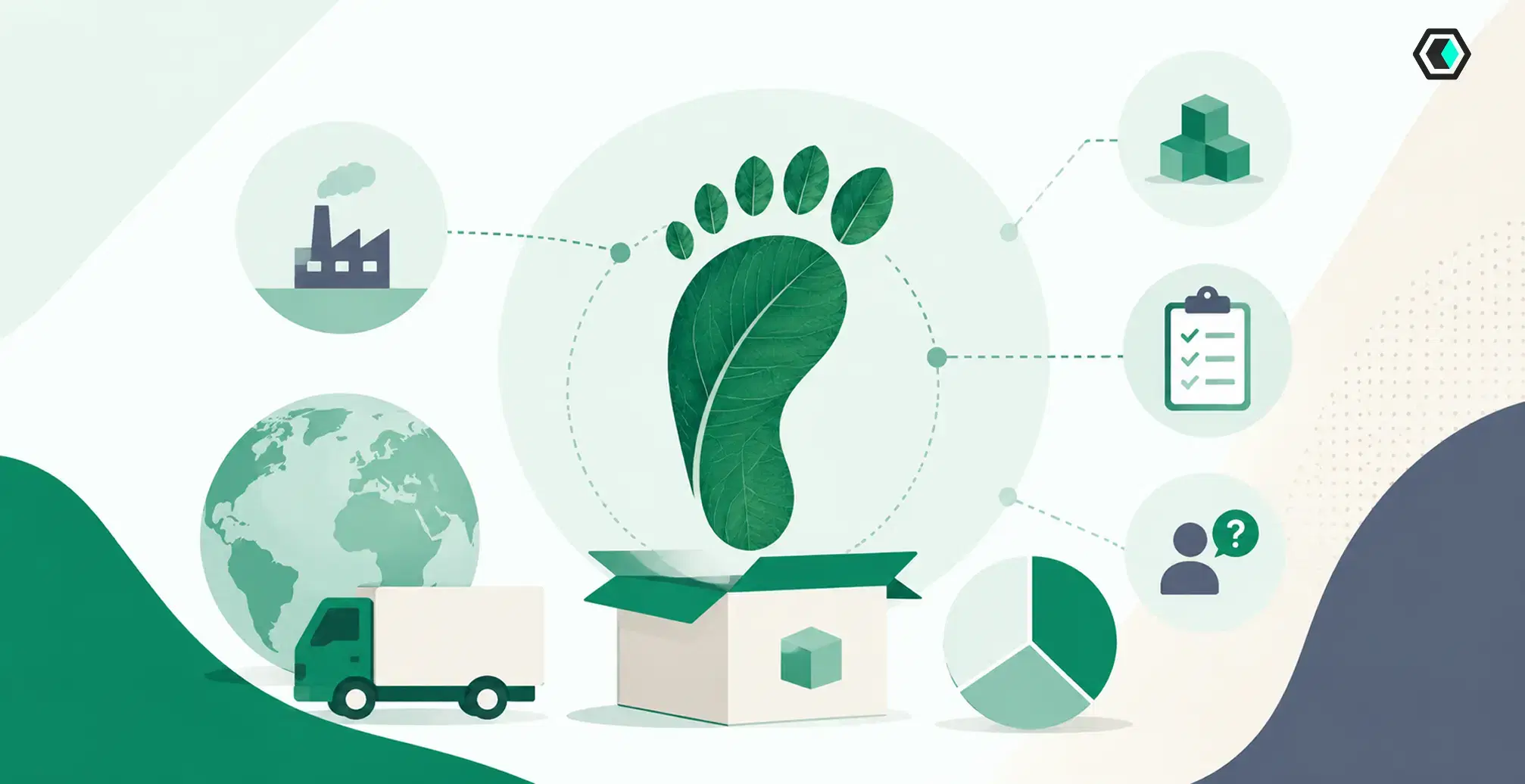
How Do I Calculate a Product Carbon Footprint With Missing Supplier Data?
Missing supplier data does not have to stop a Product Carbon Footprint calculation. This blog covers practical approaches using BOM data, secondary emission factors, industry-average data, proxy data…
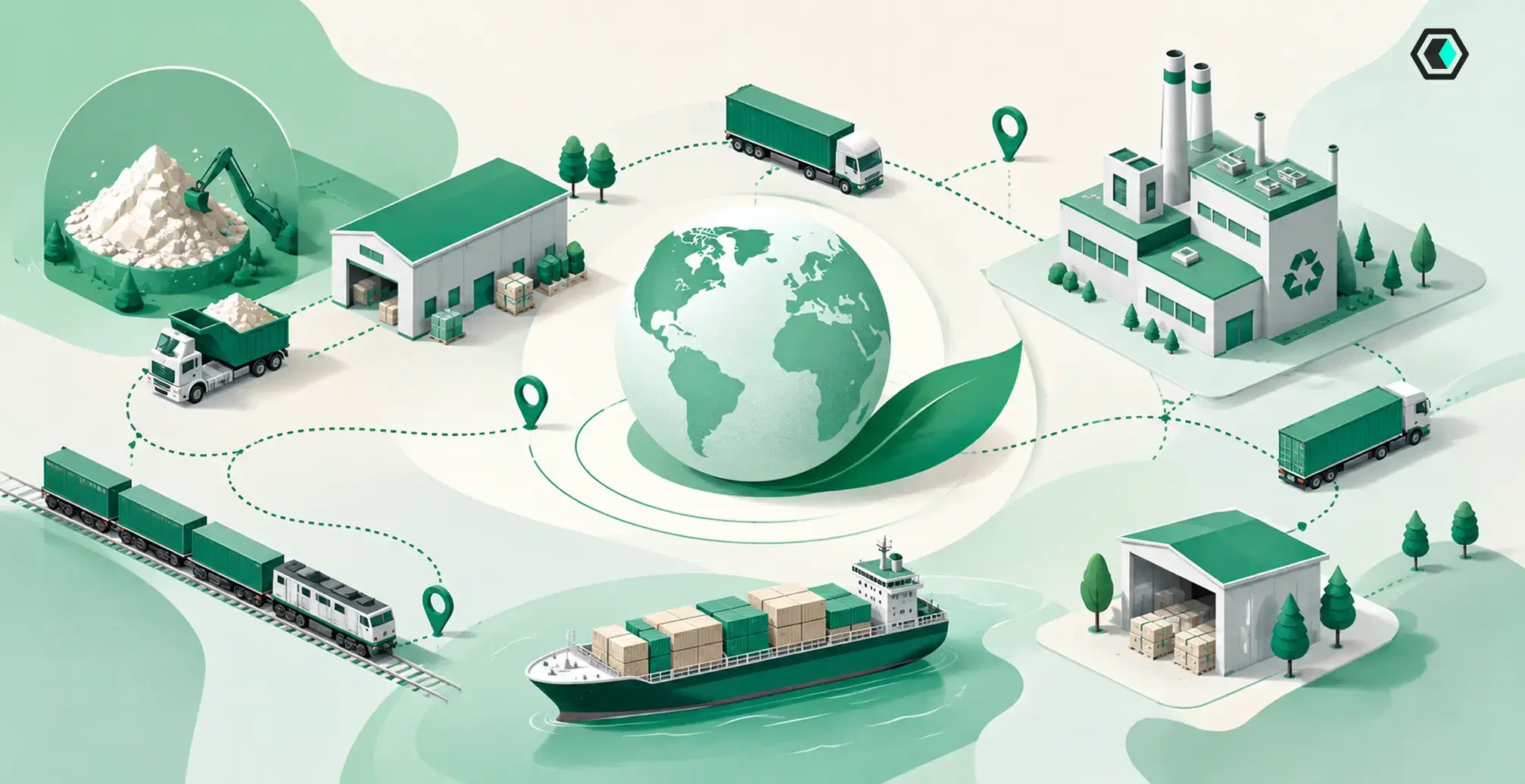
How to Calculate Transport Emissions in a Cradle-to-Gate Product Carbon Footprint
Learn how to calculate transport emissions within a cradle-to-gate Product Carbon Footprint (PCF). This blog covers transport boundaries, activity data, emission factors, and load considerations…
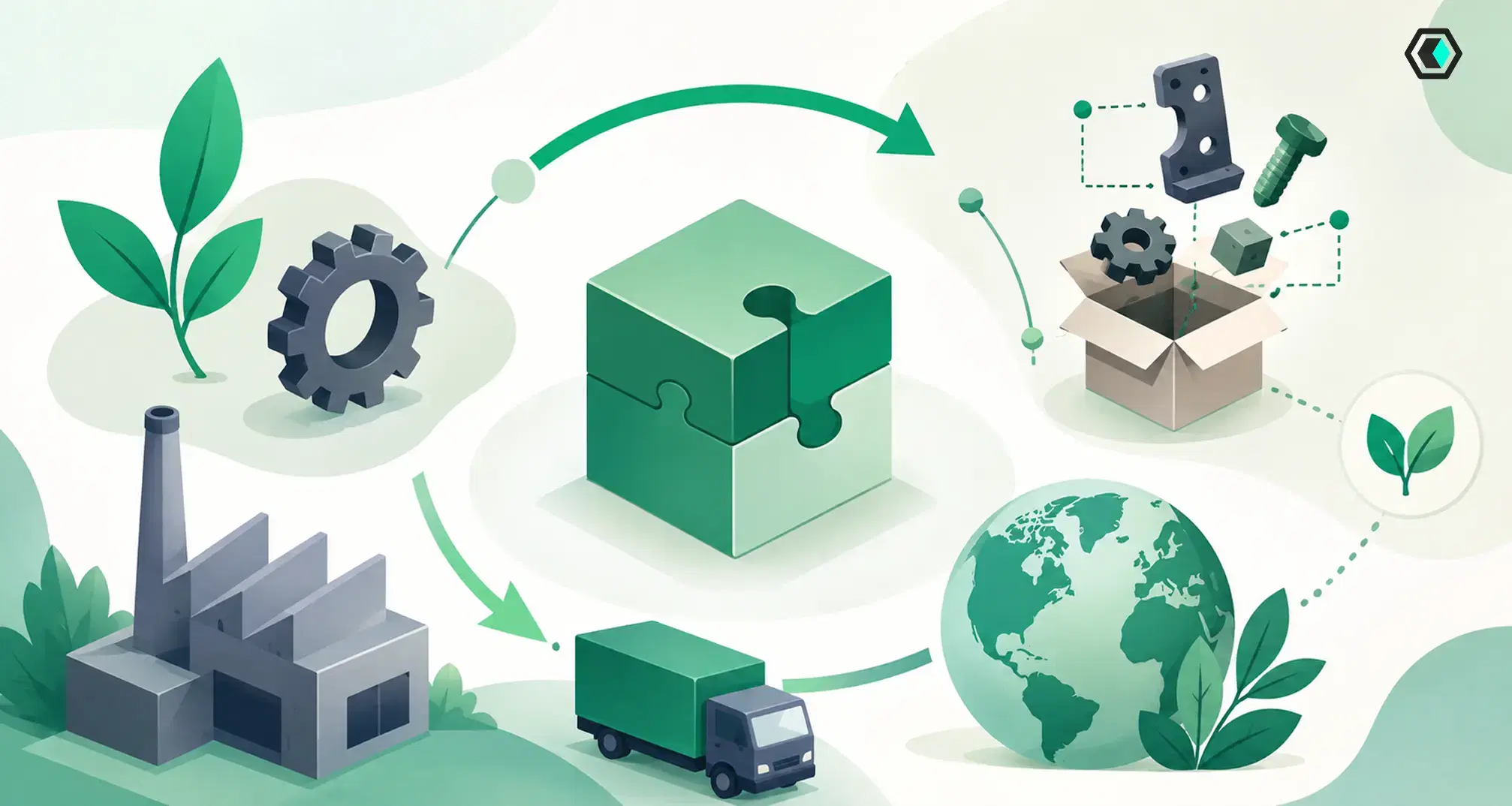
3 Product Carbon Footprint Mistakes That Can Leave Reports Outdated After a BOM Change
Learn how BOM changes can affect a Product Carbon Footprint and when an existing PCF may need to be reviewed or recalculated. This blog covers three common mistakes, including using outdated PCF…
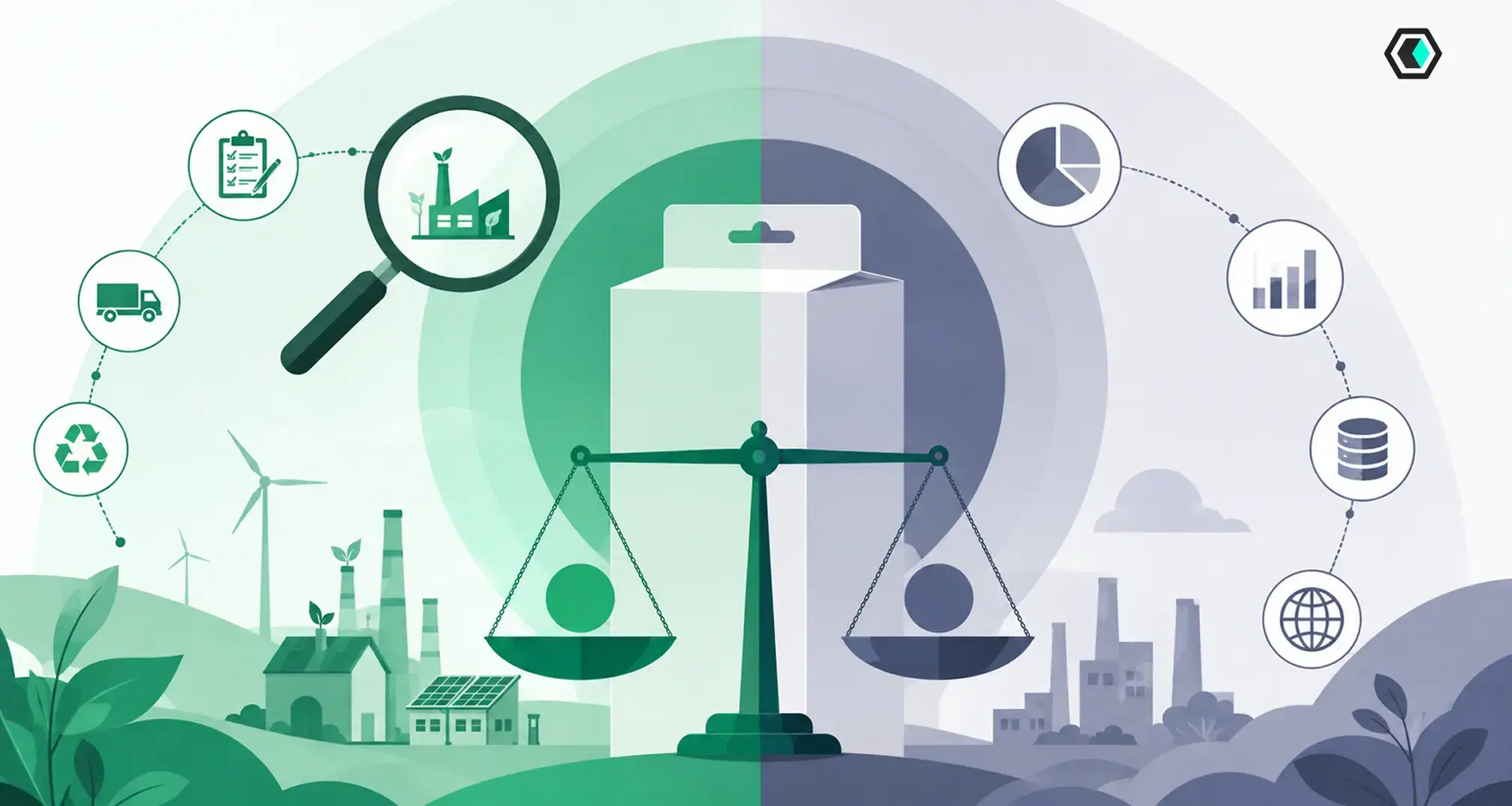
Primary Data vs Secondary Data in Product Carbon Footprints: What's the Difference?
Primary and secondary data play different roles in building a Product Carbon Footprint (PCF). This blog explains the key differences, common data sources, and when each type is appropriate. Learn how…