Explore All Articles

Back to Blog
Thumbnail for ISO 14067 vs GHG Protocol Product Standard: Which One Does Your PCF Report Actually Need to Pass a Customer Audit?
ESG Standards

ISO 14067 vs GHG Protocol Product Standard: Which One Does Your PCF Report Actually Need to Pass a Customer Audit?

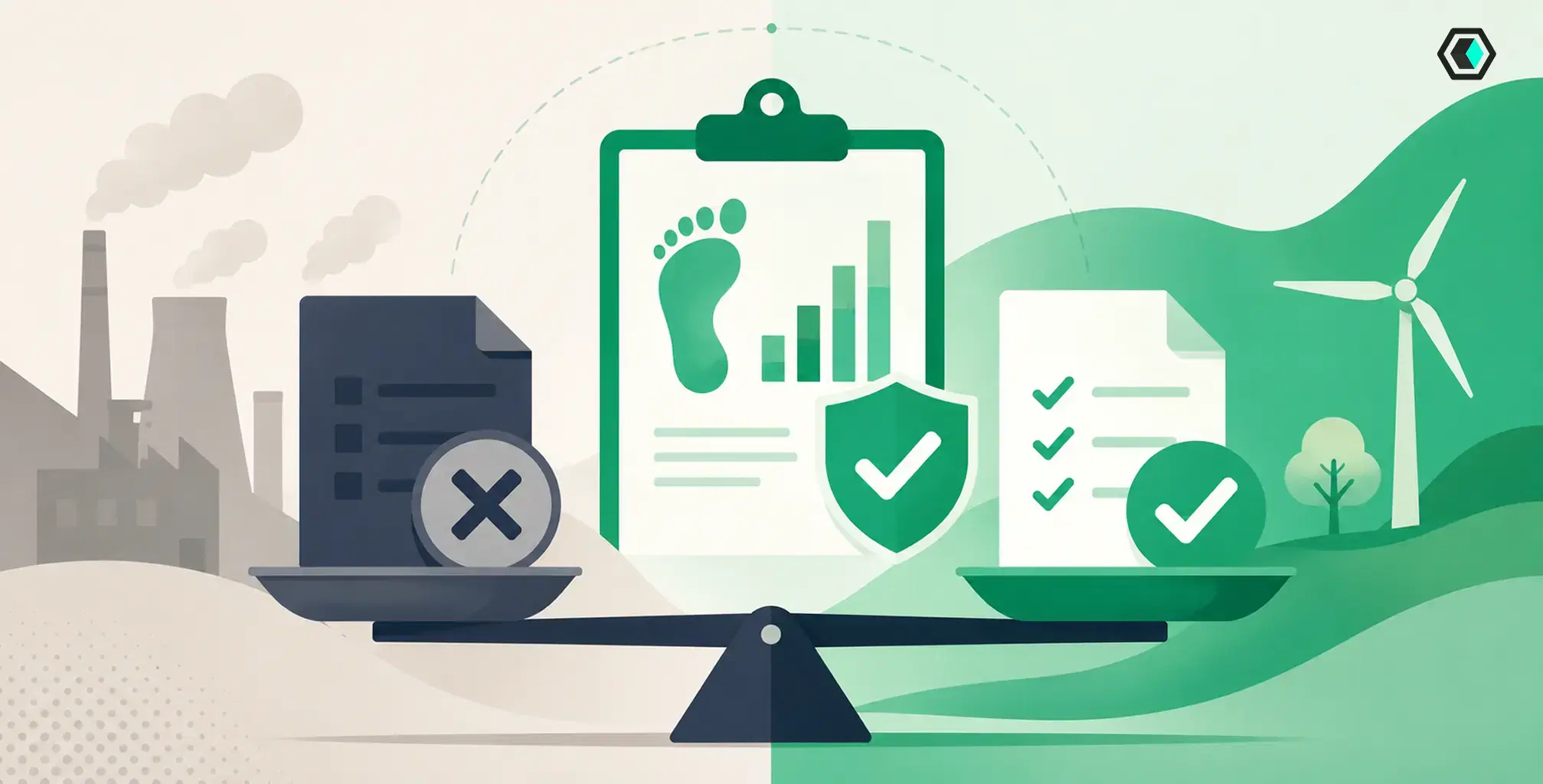
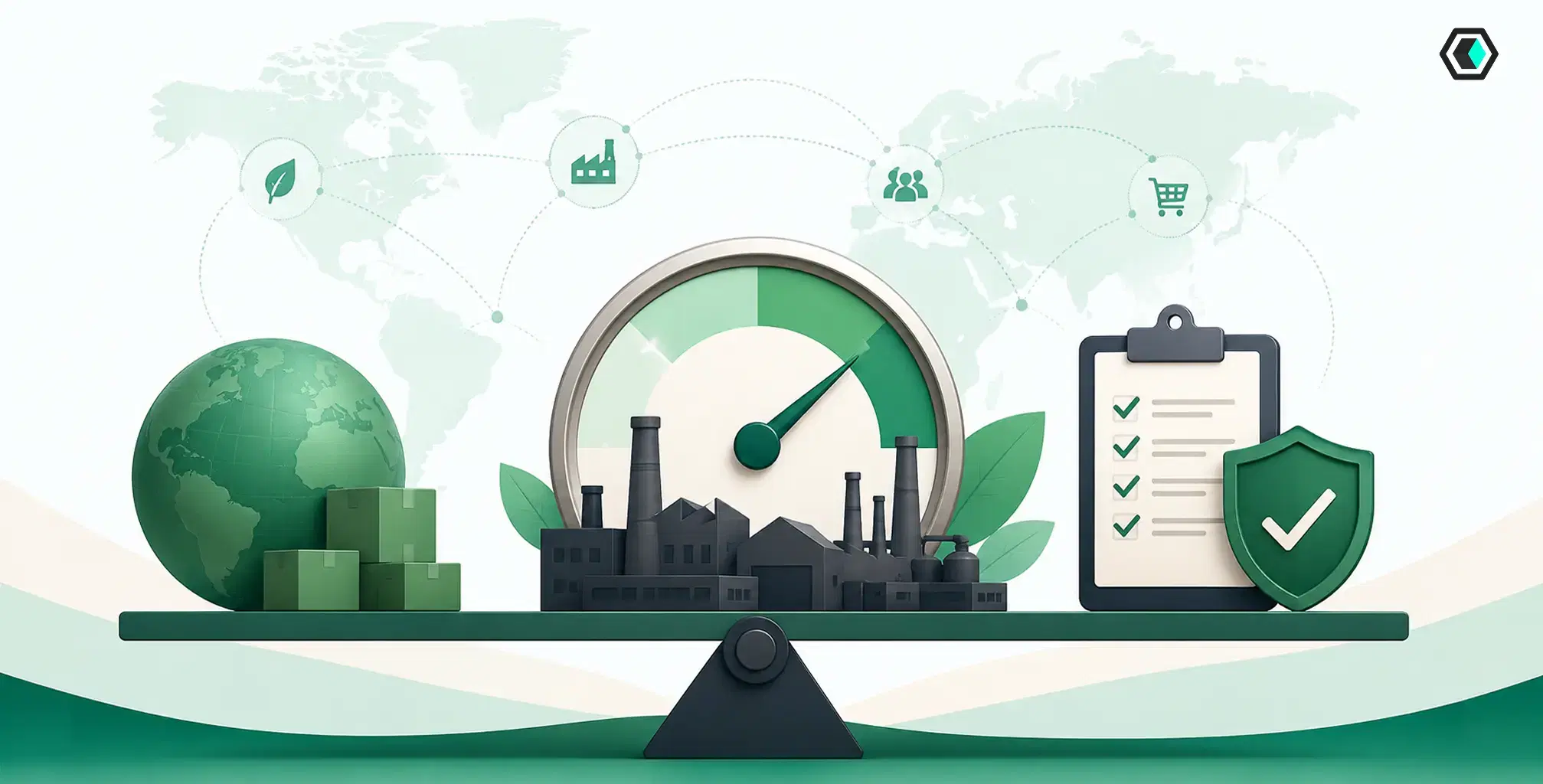
This blog explains the real-world differences between ISO 14067 and the GHG Protocol Product Standard for Product Carbon Footprint (PCF) reporting. It breaks down how each standard is used, how they differ in methodology, verification, and regulatory acceptance, and when each one is required in customer audits or compliance contexts. It also shows why both standards are often used together rather than chosen in isolation.

Charlotte Anne Whitmore
Thumbnail for Packaging Emissions Are Missing From Most PCF Reports — How to Find, Calculate, and Include Them Correctly Under ISO 14067
Product Carbon Footprint (PCF)

Packaging Emissions Are Missing From Most PCF Reports — How to Find, Calculate, and Include Them Correctly Under ISO 14067

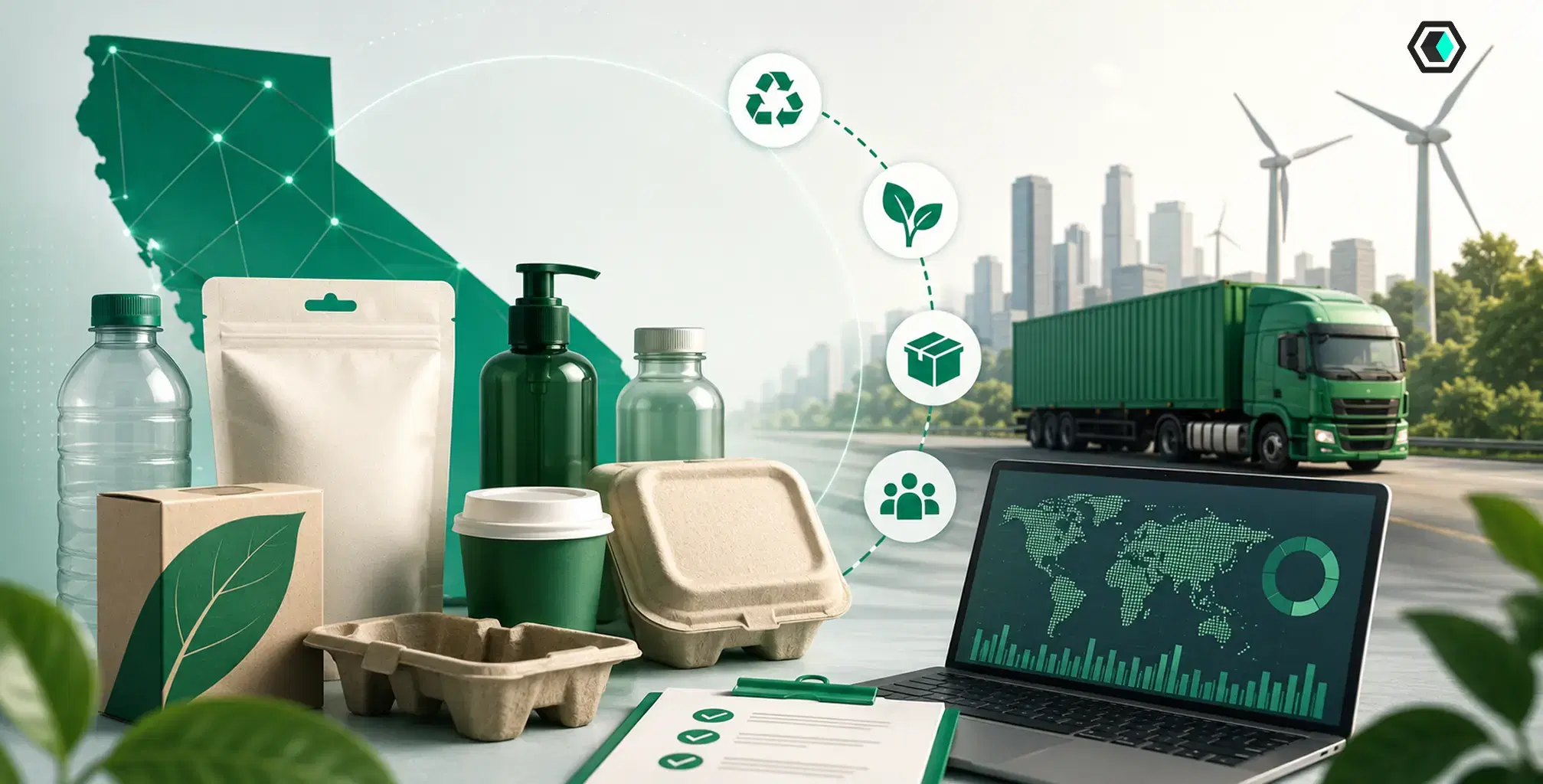
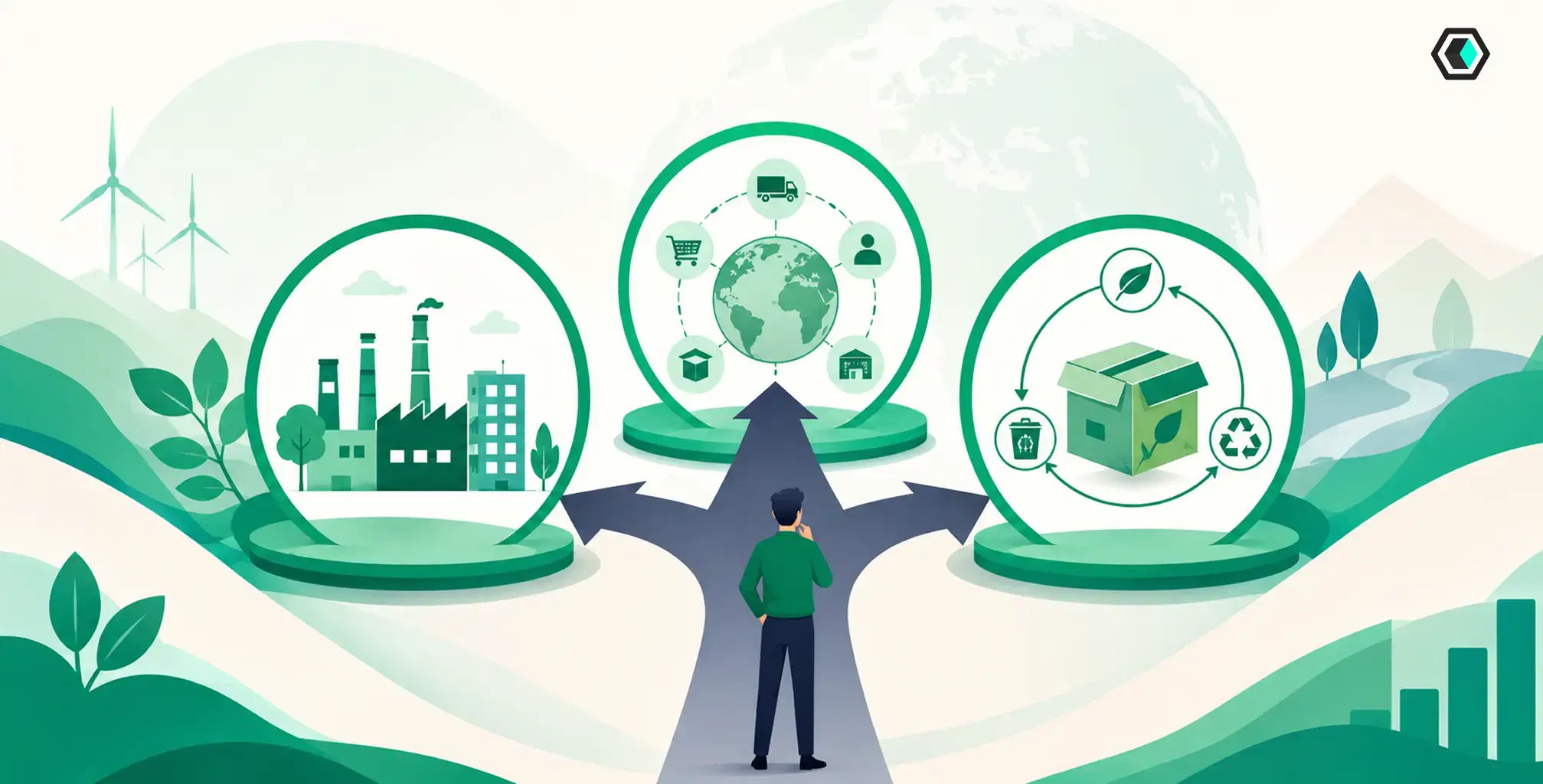
This blog explains why packaging emissions are often missing in Product Carbon Footprint reports and how to correctly include them under ISO 14067. It breaks down primary, secondary, and tertiary packaging, outlines calculation methods across lifecycle stages, addresses recycled content allocation, and highlights common reporting errors that lead to verification failures.

Charlotte Anne Whitmore
Thumbnail for CSRD After the Omnibus: Who Still Needs Verification — and Why It Still Matters
Regulatory Compliance

CSRD After the Omnibus: Who Still Needs Verification — and Why It Still Matters

This article explains how the EU’s Omnibus I Directive reshapes the Corporate Sustainability Reporting Directive (CSRD), significantly narrowing its scope while keeping core obligations like double materiality assessment and independent verification intact. It outlines the new dual-threshold eligibility rules, updated assurance framework (limited assurance), simplified ESRS standards, and what these changes mean for both in-scope companies and those now outside mandatory reporting but still under supply chain, investor, and CBAM pressure.

Charlotte Anne Whitmore
Thumbnail for GHG Protocol Is Updating Its Scope 3 Standard — Here's What Manufacturers Need to Change Before It's Final
GHG Protocol Updates

GHG Protocol Is Updating Its Scope 3 Standard — Here's What Manufacturers Need to Change Before It's Final

This blog explains the 2026 Phase 1 revision of the GHG Protocol Scope 3 Standard, highlighting major proposed changes that will reshape corporate carbon accounting. It breaks down new requirements such as the 95% Scope 3 coverage rule, mandatory emission data disaggregation, stricter supplier data hierarchy, verification disclosure rules, and the introduction of Category 16 for facilitated emissions. The blog focuses on what manufacturers need to prepare for ahead of the expected final standard in 2027, including changes in data quality expectations, exclusion limits, and investment-related emissions reporting.

Charlotte Anne Whitmore
Thumbnail for How Carboventory's EPD Lookup Gives You Verified Carbon Baselines for Any Asset Category
Asset Reuse Sustainability

How Carboventory's EPD Lookup Gives You Verified Carbon Baselines for Any Asset Category

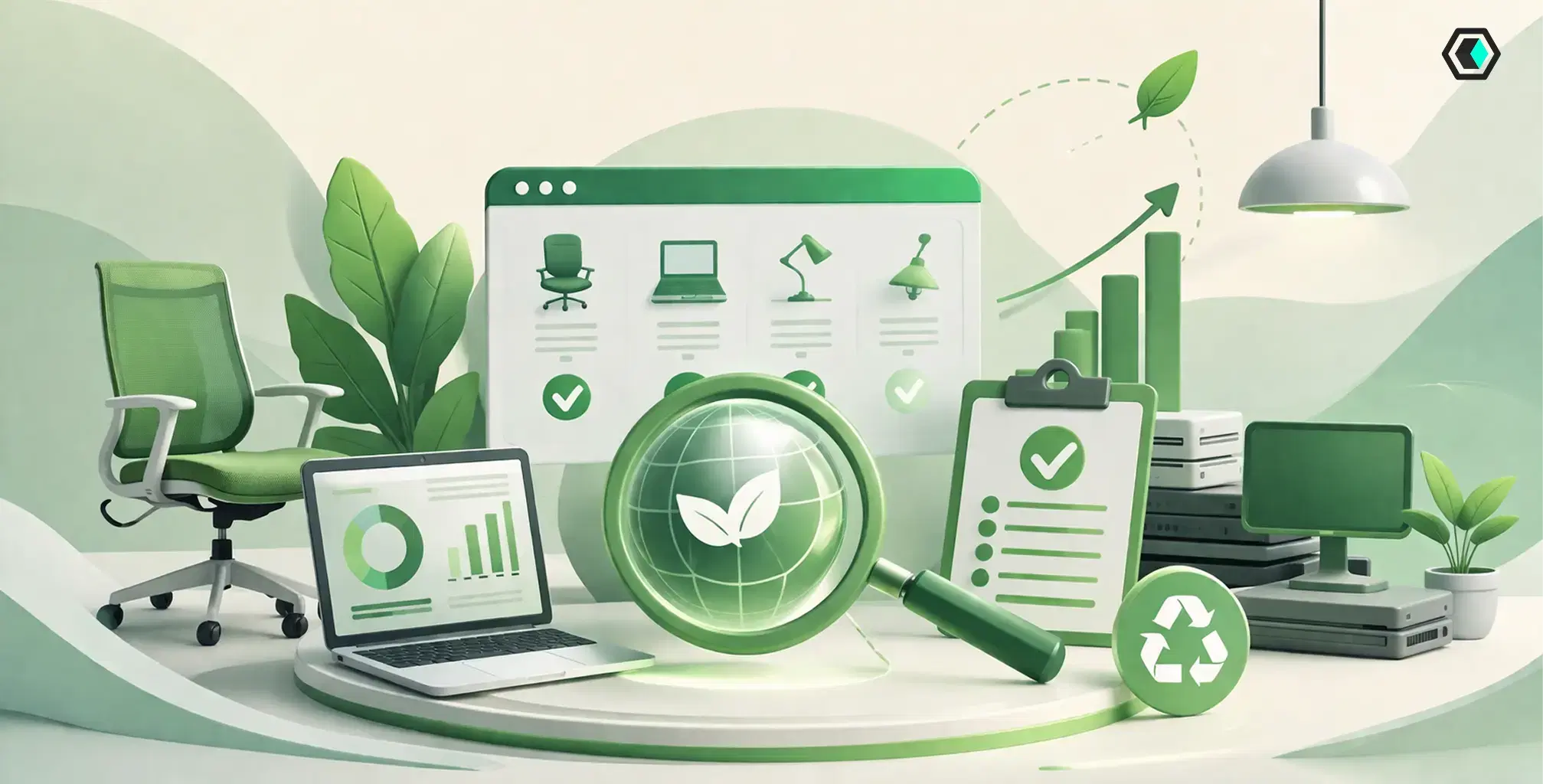
This blog explains how Carboventory’s EPD Lookup turns reused assets into verified carbon savings using third-party EPD data, replaces manual research with direct asset linking, supports fallback baselines and confidence scoring, and feeds per-asset calculations into AI insights and audit-ready ESG reports for scalable, traceable carbon accounting across asset categories.

Charlotte Anne Whitmore
Thumbnail for New York’s New Climate Reporting Rules — Why Accurate Carbon Data Is Becoming a Compliance Requirement
Regulatory Compliance

New York’s New Climate Reporting Rules — Why Accurate Carbon Data Is Becoming a Compliance Requirement

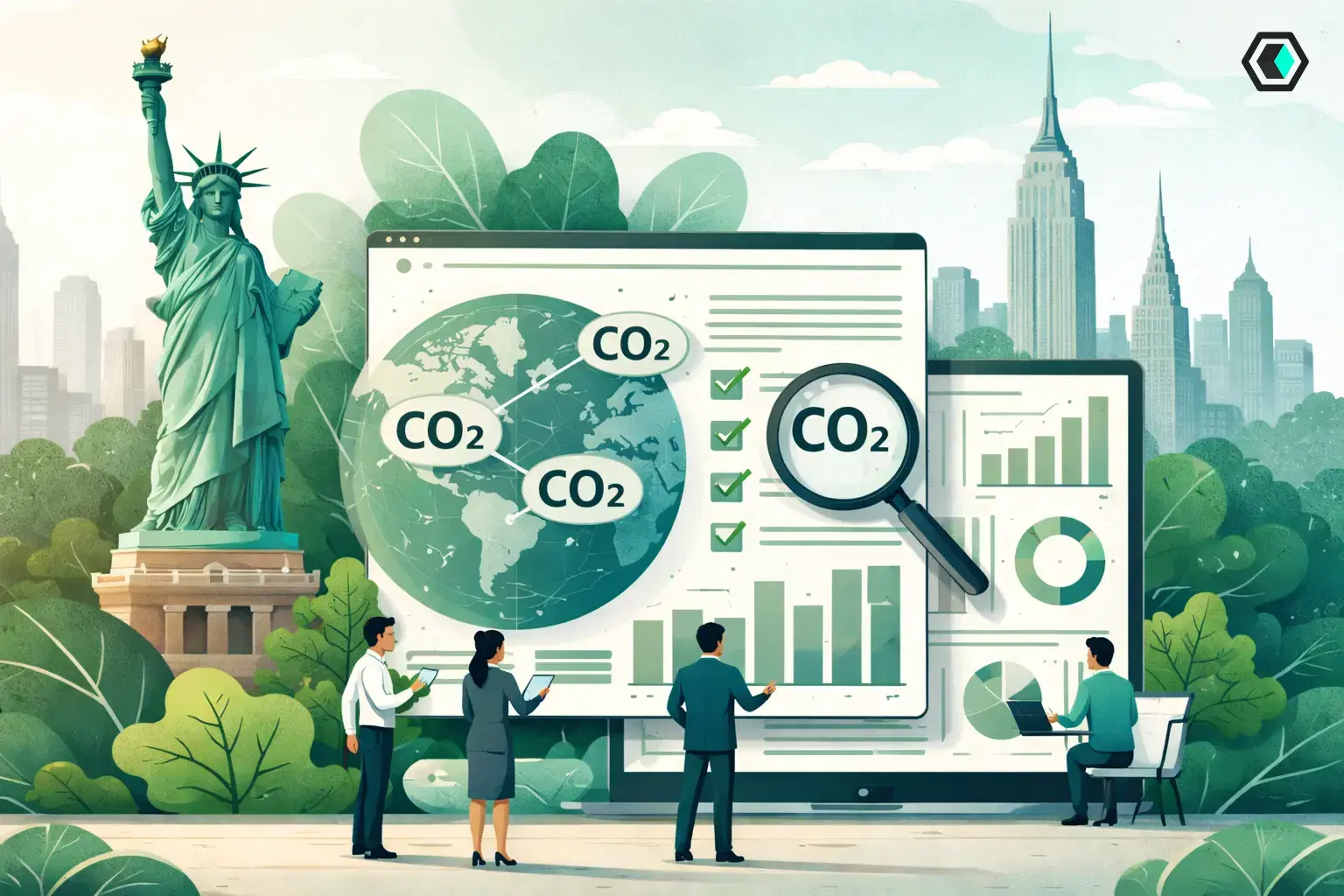
A practical compliance guide for New York manufacturers on the Climate Corporate Data Accountability Act (S9072A). Covers Scope 1, 2, and 3 disclosure requirements, deadlines from 2026 to 2032, and penalties up to $500,000 per year. Explains why Scope 3 is the hardest to tackle, how it compares to California's SB 253, and closes with six steps to start building compliant carbon data infrastructure now.

Charlotte Anne Whitmore
Thumbnail for Carboventory Explained: How It Turns Every Reused Asset Into a Verified Carbon Number
ESG Reporting

Carboventory Explained: How It Turns Every Reused Asset Into a Verified Carbon Number

This blog walks through how Carboventory, a sustainable asset management platform, transforms reused physical assets into verified carbon numbers. It covers the platform's five-step process — from building a structured asset inventory and attaching EPD-backed carbon baselines, to confidence scoring, AI-powered insights via Caly, and generating one-click compliance-ready ESG lifecycle reports.

Charlotte Anne Whitmore
Thumbnail for Carbalyze Just Got Bigger: Introducing Carboventory for Asset Reuse Carbon Tracking
Sustainability

Carbalyze Just Got Bigger: Introducing Carboventory for Asset Reuse Carbon Tracking

Carbon saved through asset reuse is real, measurable, and reportable — yet most organizations have no way to capture it. Carboventory, Carbalyze's newest product, closes that gap with a dedicated carbon tracking platform built around the reuse lifecycle. From bulk asset inventory and EPD-backed carbon calculations to AI-powered insights via Caly and one-click ESG lifecycle reports, Carboventory gives sustainability teams everything they need to turn everyday reuse decisions into verified, disclosure-ready carbon proof.

Charlotte Anne Whitmore
Thumbnail for A Supplier Carbon Questionnaire Just Arrived From the Biggest Customer — Here Is How to Respond With No Existing Data
Sustainability

A Supplier Carbon Questionnaire Just Arrived From the Biggest Customer — Here Is How to Respond With No Existing Data

A practical step-by-step guide for suppliers who have received a carbon questionnaire from a major customer but have no prior emissions data. Covers how to identify the questionnaire type (CDP, EcoVadis, or custom), calculate Scope 1 and 2 emissions, build a minimum evidence library, handle unanswerable questions transparently, and avoid common submission mistakes — framing the entire process as long-term data infrastructure rather than a one-time compliance task.

Charlotte Anne Whitmore
Thumbnail for Product Carbon Footprint Requested by a Customer — Where to Start When None Has Been Calculated Before
Carbon Accounting

Product Carbon Footprint Requested by a Customer — Where to Start When None Has Been Calculated Before

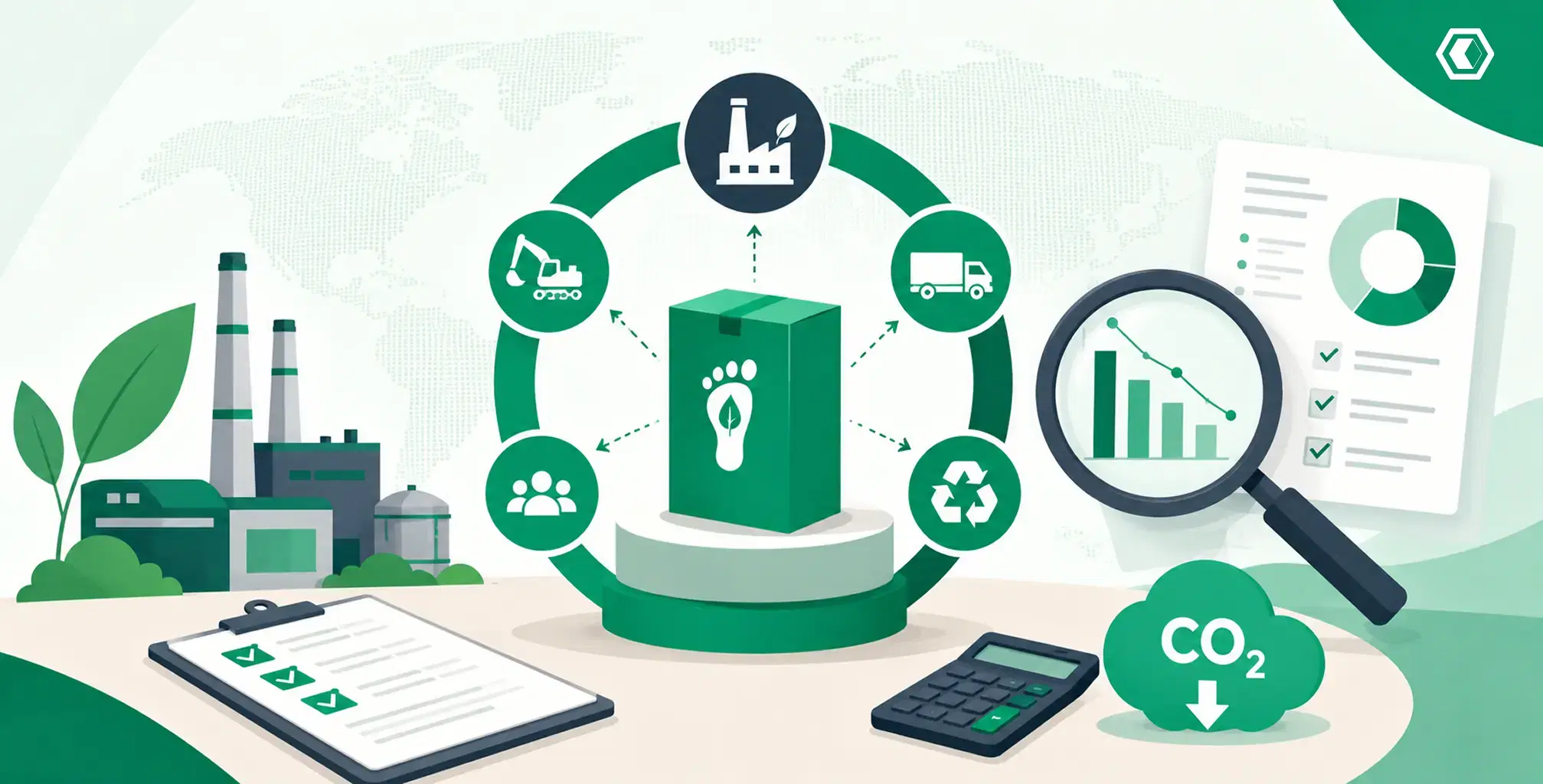
A practical, step-by-step guide for manufacturers and suppliers who receive their first customer request for a Product Carbon Footprint (PCF) calculation. It walks through how to respond credibly — from understanding what's being asked, choosing the right standard, defining boundaries, collecting data, and mapping emission factors — all the way to submitting a transparent, defensible result.

Charlotte Anne Whitmore
Thumbnail for Spend-Based vs. Activity-Based vs. Supplier-Specific: The Three Ways Manufacturers Calculate PCF — and Which Ones Actually Pass Audits
Regulatory Compliance / Climate & Sustainability

Spend-Based vs. Activity-Based vs. Supplier-Specific: The Three Ways Manufacturers Calculate PCF — and Which Ones Actually Pass Audits

Most manufacturers choose a PCF calculation method based on what data they have — not what auditors actually require. This blog breaks down the three methods manufacturers use most: spend-based, activity-based, and supplier-specific. It covers what each method measures, what data it needs, where it holds up under audit, and where it fails. If your PCF reports need to pass customer review, ISO 14067 verification, or PACT-aligned procurement checks, understanding the difference between these methods is not optional — it is the foundation of credible Scope 3 Category 1 reporting.

Charlotte Anne Whitmore
Thumbnail for Cradle-to-Gate vs. Cradle-to-Grave: Manufacturers Are Choosing the Wrong PCF Boundary — and It's Costing Them Compliance
PCF Methodology & Compliance

Cradle-to-Gate vs. Cradle-to-Grave: Manufacturers Are Choosing the Wrong PCF Boundary — and It's Costing Them Compliance

Most PCF errors don't start with bad data — they start with the wrong boundary. Choosing between cradle-to-gate and cradle-to-grave isn't a formatting decision; it's the foundational methodological choice that determines whether your carbon report is compliant, usable, and defensible. This blog breaks down exactly when each boundary applies, what ISO 14067 and the GHG Protocol require, and what happens at the compliance, commercial, and strategic level when the boundary doesn't match the product.

Charlotte Anne Whitmore
Thumbnail for California SB 253 Deadline Approaching: Why August 2026 Is Your Last Chance to Prepare (And What Happens If You Don't)
Regulatory Compliance / Climate & Sustainability

California SB 253 Deadline Approaching: Why August 2026 Is Your Last Chance to Prepare (And What Happens If You Don't)

This blog explains California SB 253, the state’s mandatory climate disclosure law for large companies. It highlights the August 2026 deadline, the challenges of third-party verified emissions reporting, and the risks of non-compliance, including financial, operational, and reputational consequences. It also outlines practical steps companies must take immediately to prepare.

Charlotte Anne Whitmore
Thumbnail for  Standardizing Supplier Emissions Data: Overcoming Fragmentation for Accurate Scope 3 Reporting
Scope 3 Emissions Management

Standardizing Supplier Emissions Data: Overcoming Fragmentation for Accurate Scope 3 Reporting

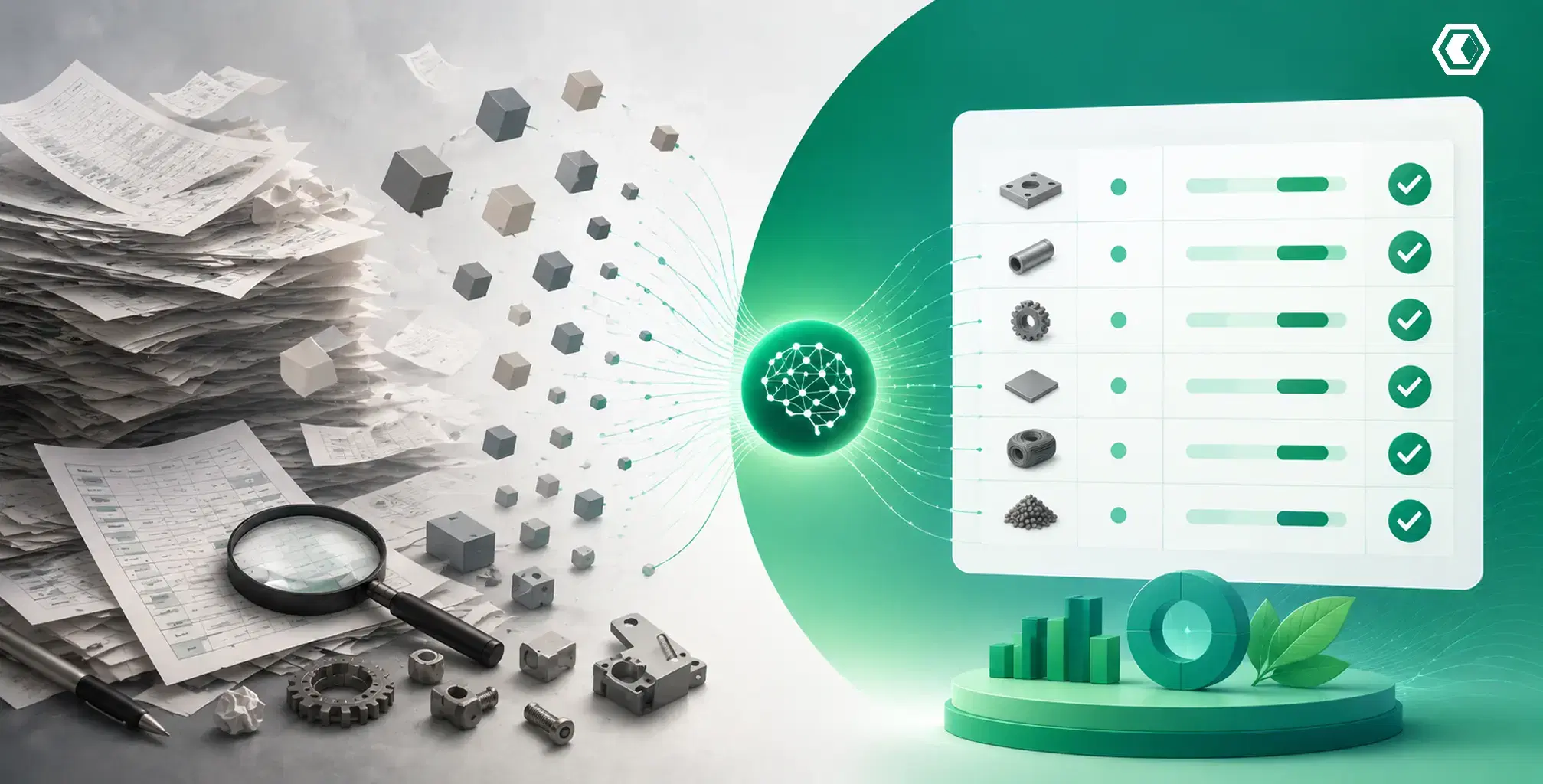
A clear breakdown of why Scope 3 emissions reporting is challenging due to fragmented supplier data, and how standardization is essential for accurate, transparent, and compliant carbon reporting. The content highlights how Carbalyze uses AI to streamline data collection, enrich missing information, and deliver reliable, audit-ready insights across the entire supply chain.

Charlotte Anne Whitmore
Thumbnail for Revolutionizing Battery Manufacturing: Accurate Carbon Accounting with Carbalyze
Battery Manufacturing Sustainability

Revolutionizing Battery Manufacturing: Accurate Carbon Accounting with Carbalyze

Discover how Carbalyze helps battery manufacturers accurately track, analyze, and reduce carbon emissions. Using AI-powered real-time insights, Carbalyze simplifies carbon accounting, ensures compliance with global standards, and drives sustainability across the entire battery supply chain—enabling operational efficiency, transparency, and a competitive advantage.

Charlotte Anne Whitmore
Thumbnail for How Carbalyze Helps You Calculate Carbon Footprint from Your BOM Using PLM Integration
Scope 3 Emissions

How Carbalyze Helps You Calculate Carbon Footprint from Your BOM Using PLM Integration

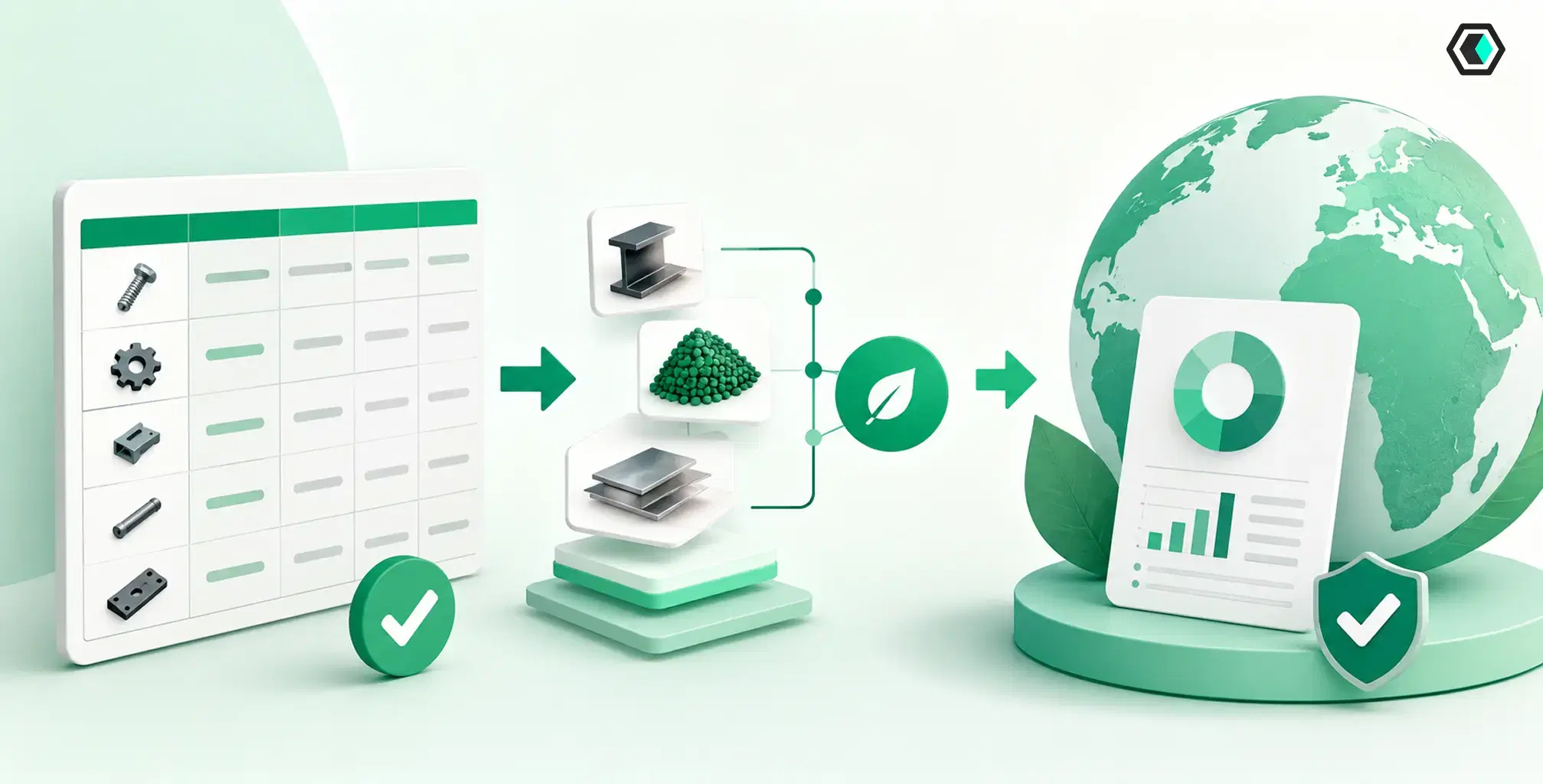
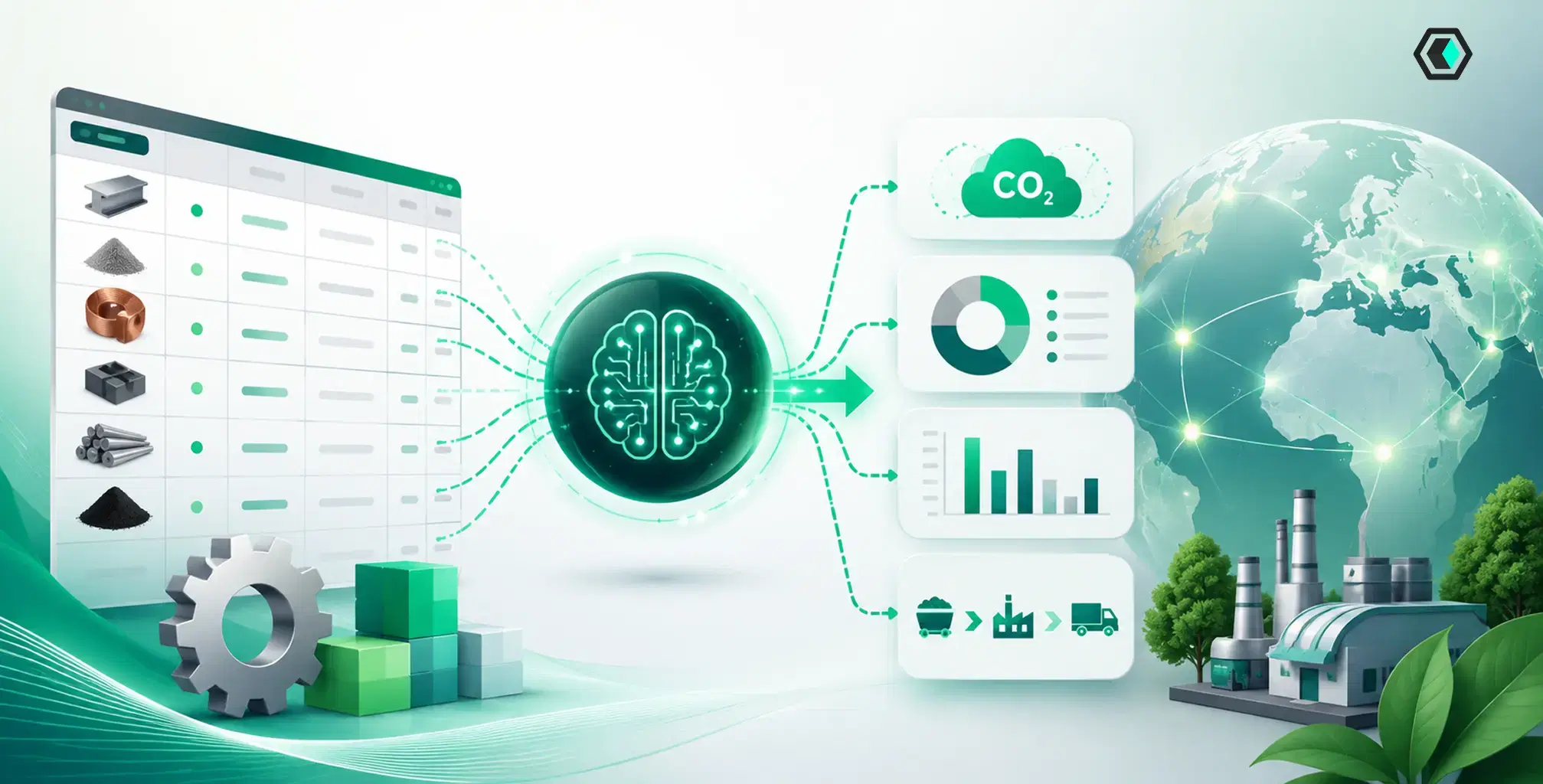
Sustainability is increasingly shaping product development across industries, making it essential to understand the environmental impact of every product. Each component, material, and assembly adds to the overall carbon footprint, but calculating it manually can be complicated and time-consuming. With Carbalyze, the process is simple: our built-in MCP server connects directly to your PLM (Product Lifecycle Management) software, allowing you to upload your Bill of Materials (BOM) and instantly calculate a detailed carbon score for your products.

Charlotte Anne Whitmore
Thumbnail for Best Carbon Accounting Software for SMEs: What to Look for in 2025
Scope 3 Emissions

Best Carbon Accounting Software for SMEs: What to Look for in 2025

In an era when environmental accountability is no longer optional, small and medium‐sized enterprises (SMEs) are increasingly under pressure to measure, report, and reduce their carbon emissions. With sustainability regulations tightening around the world and stakeholder expectations rising, the right carbon accounting software can make all the difference. But not all tools are created equal. As we move into 2025, SMEs need software that balances accuracy, usability, compliance, cost, and actionable insights.

Charlotte Anne Whitmore

Thumbnail for Suppliers Are Drowning in Data Requests — Here’s the Fix
Sustainability & Supply Chain

Suppliers Are Drowning in Data Requests — Here’s the Fix

Vogue Business recently highlighted how suppliers are overwhelmed by repetitive carbon data requests. From Scope 3 emissions to CCAs, the lack of standardization creates costly inefficiencies. Carbalyze solves this with AI-driven data reuse and centralized, sharable reporting. It streamlines sustainability efforts, reducing compliance fatigue across the supply chain.

Charlotte Anne Whitmore
Thumbnail for Introducing Caly: Your Smart Sustainability Assistant
Carbalyze

Introducing Caly: Your Smart Sustainability Assistant

At Carbalyze, we believe sustainability shouldn’t be a burden—it should be a superpower. Yet for most companies, calculating Product Carbon Footprint (PCF) remains manual, complex, and inconsistent across suppliers.That’s why we built Caly — your smart sustainability assistant designed to simplify and supercharge the way companies measure and manage carbon emissions across products, parts, and suppliers.
Carbalyze Team